
Reading time: four minutes
In Scottsdale homes, light is everything. Expansive windows frame desert views and define the rhythm of a space. When done well, layering shades and drapery adds depth, light control, and quiet luxury without overwhelming the room.
Why Layer Window Treatments at All?
Layering window treatments balances performance and style. While a single solution can work beautifully, combining Roman shades and drapes or pairing roller shades with tailored panels offers greater flexibility throughout the day.
Shades offer precise light control and a clean architectural look. Drapery introduces movement, texture, and sound absorption. Together, they create visual interest while improving privacy and energy efficiency.
In Arizona’s intense sun, an added layer helps regulate temperature and protect interiors from fading. It’s not just decorative, it’s practical.
The Secret to Not Overdoing It
The difference between curated and crowded often comes down to restraint. Here’s how we keep layered window designs refined.
1. Start With Structure
Choose your base layer first, typically the shade.
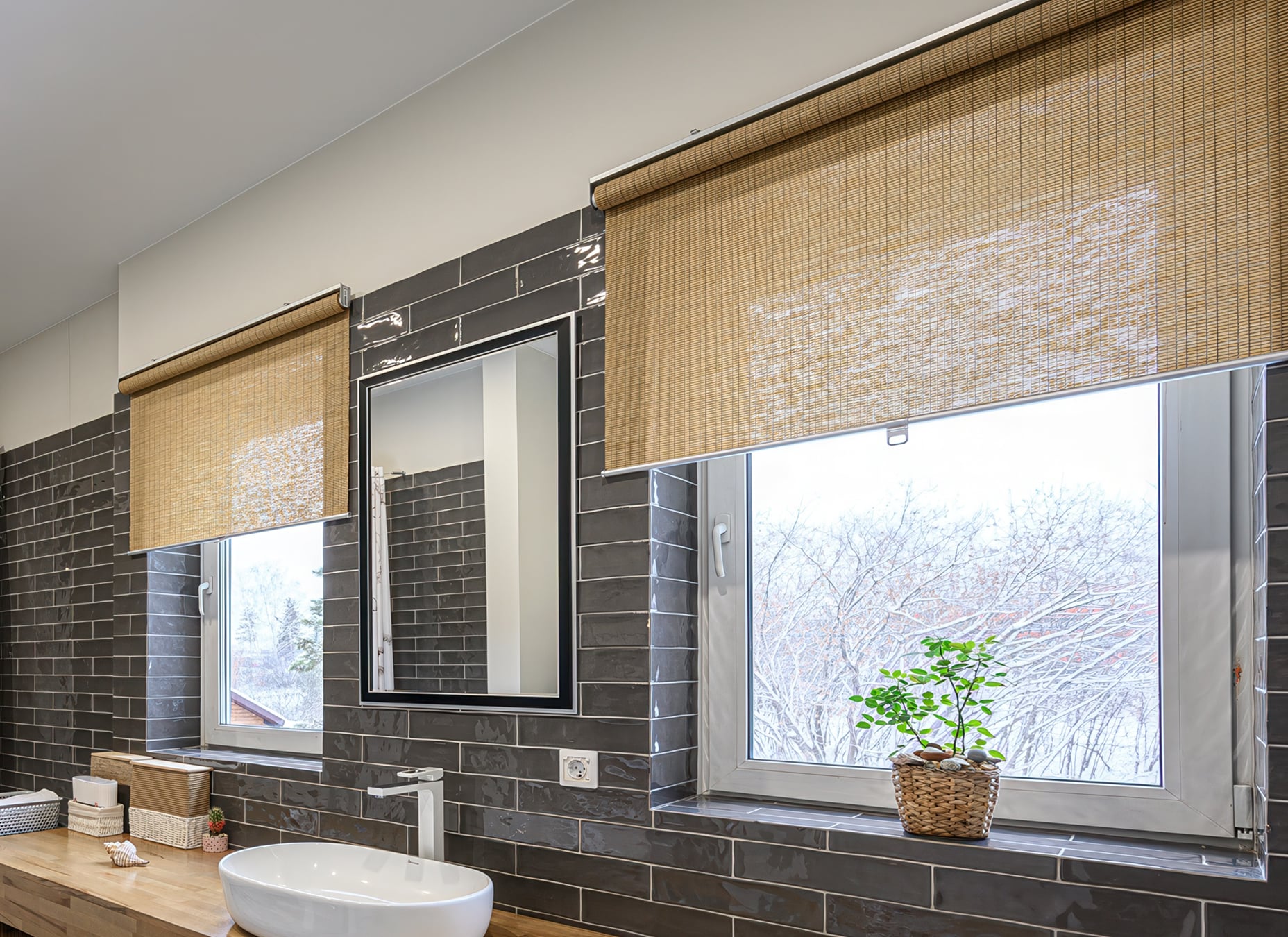
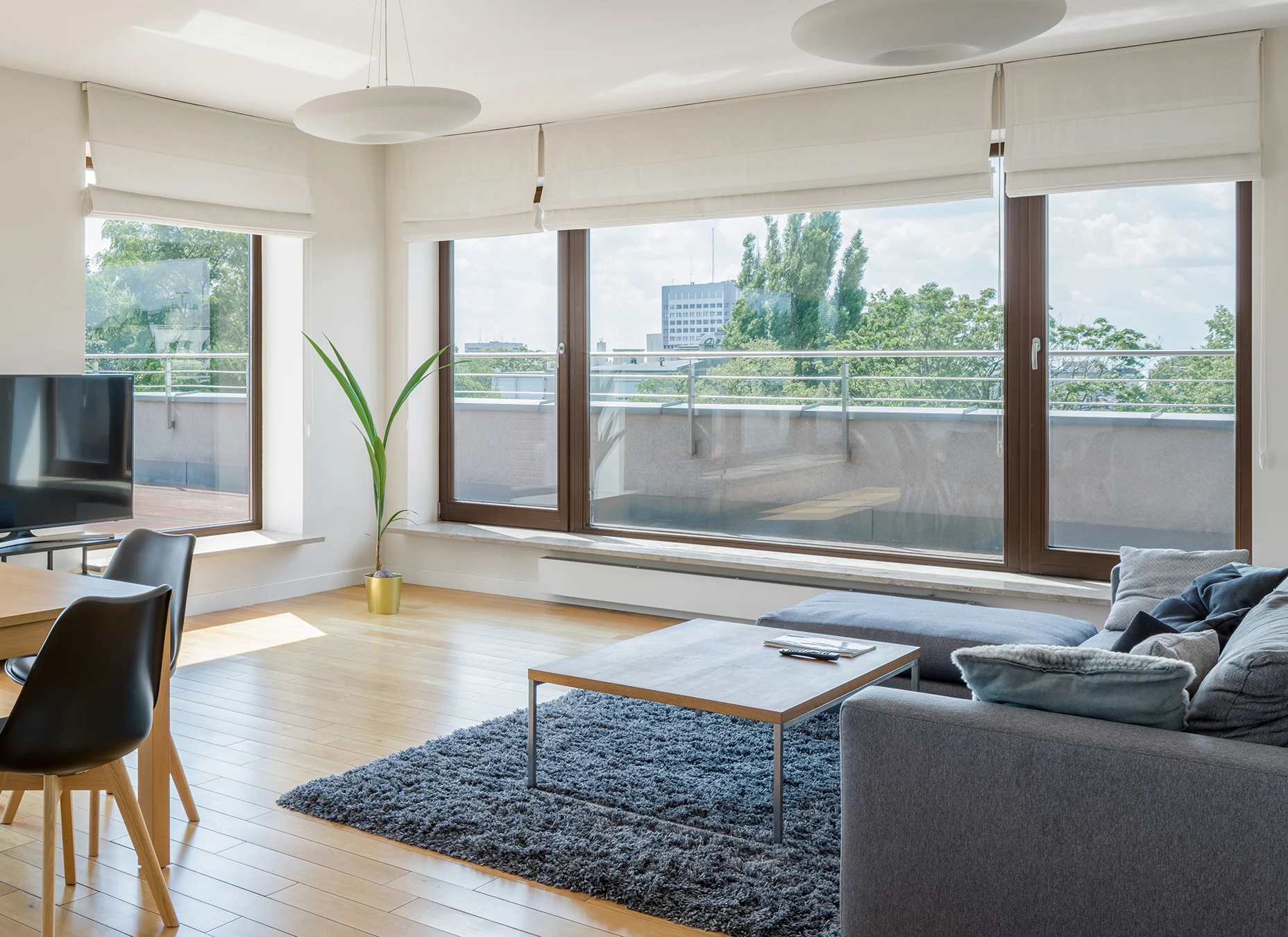
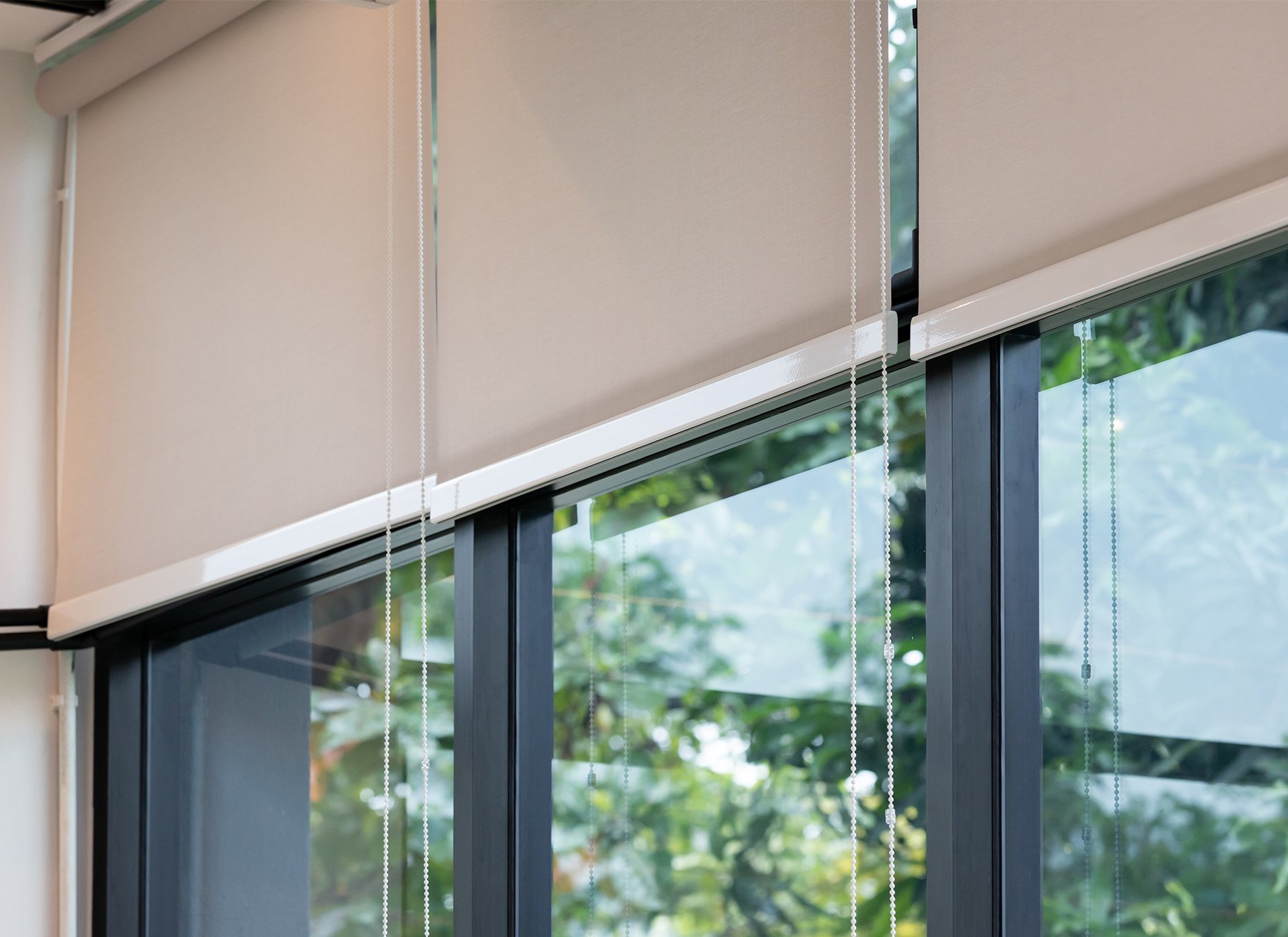
Roller shades provide a minimalist foundation and disappear neatly into the window frame. Cellular shades add insulation with a subtle texture. A woven wood shade introduces organic warmth without visual heaviness. Roman shades bring softness while still maintaining tailored lines.
Keep this layer neutral and aligned with your overall color palette. Soft neutrals and natural tones allow the drapery to complement rather than compete.
2. Let Drapery Add Softness
Drapery panels should frame the window, not dominate it.
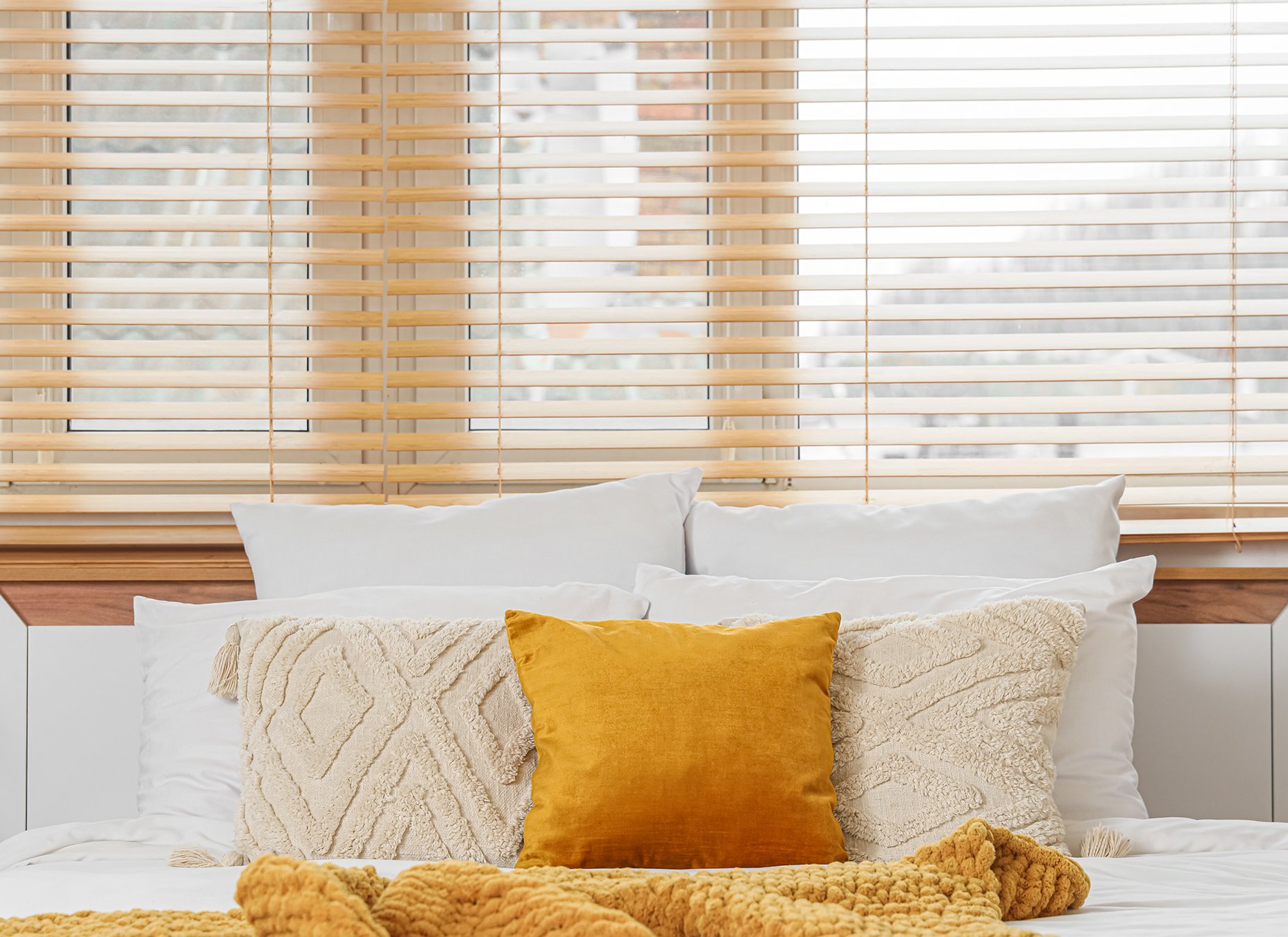
Sheer curtains work beautifully when you want filtered daylight and a relaxed feel. For bedrooms or media rooms, a lined or blackout shade paired with elegant drapery gives you complete flexibility from morning glow to evening privacy.
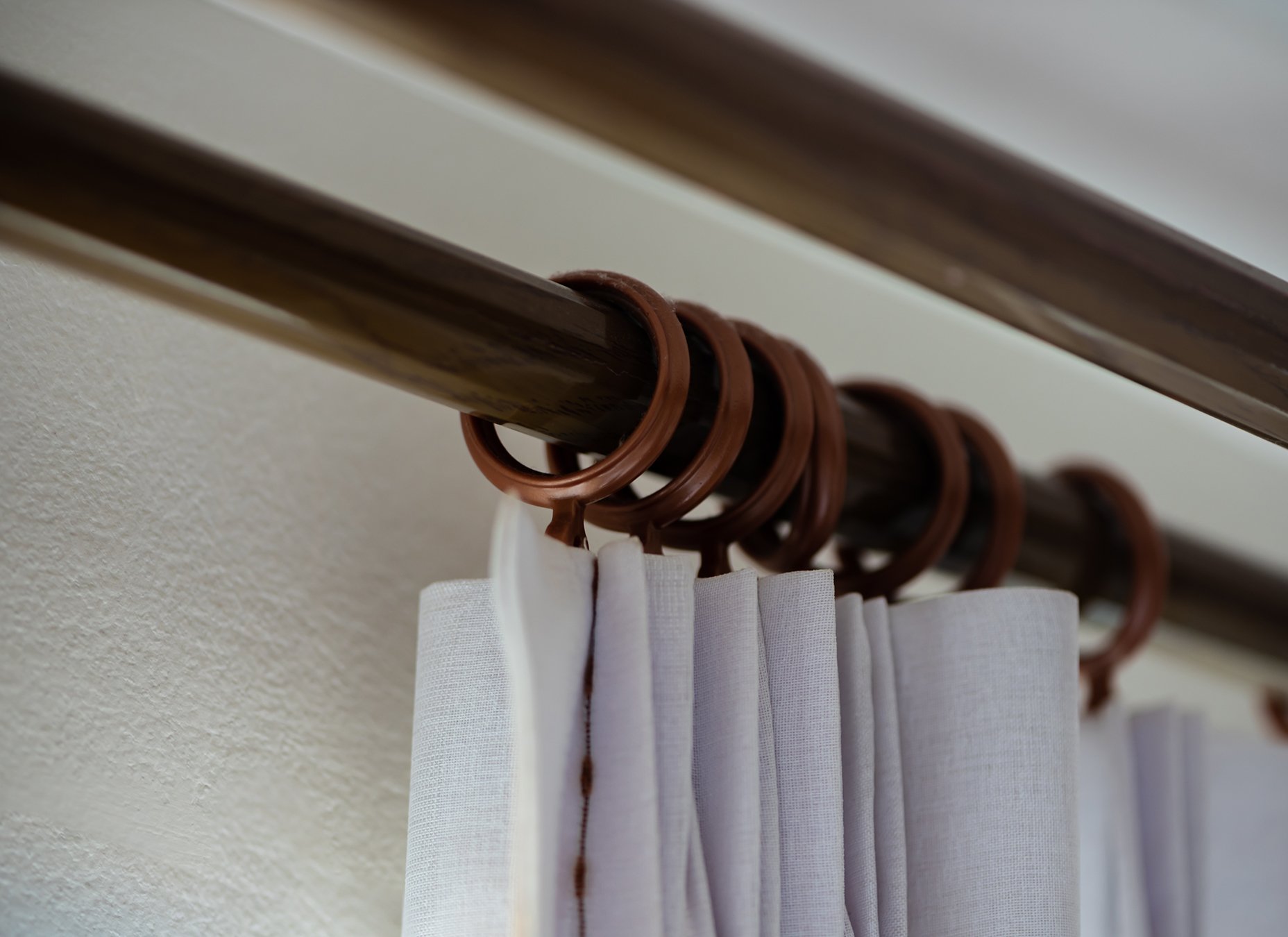
The key is proportion. Mount drapery rods slightly higher and wider than the window frame to create height and balance. Avoid overly heavy fabrics unless the room calls for it. In many Scottsdale interiors, linen or lightly textured fabrics feel right at home.
3. Keep the Colors Cohesive
Establish a color palette.
If your shades are a warm ivory, your drapery can echo that tone or introduce a slightly deeper variation. Contrast works best when it’s intentional and restrained. Too many competing patterns or bold colors can make even custom products feel busy.
In modern desert interiors, subtle texture often replaces strong patterns. Think woven wood shade paired with neutral drapery panels. The result is depth without distraction.
4. Consider Function in Every Room
Not every room requires the same level of layering.
In open-concept living spaces, sheer shades combined with decorative drapery provide flexible light control while maintaining an airy feel. In bedrooms, layering a blackout shade behind tailored drapery enhances privacy and comfort. In dining rooms, Roman shades and drapes create softness and formality without excess.
Motorized shades can further simplify the look. Integrated with smart home systems, they allow you to adjust light effortlessly without cords or clutter. Technology should enhance the design, not interrupt it.
Thoughtful Design, Perfectly Balanced
Intentional layering elevates the architecture, frames the view, and adapts to Scottsdale’s desert light for a look that feels finished, never fussy. At House of Shades, we tailor each combination to your space, lifestyle, and aesthetic. From Roman shades to custom drapery panels, we ensure your windows feel cohesive and refined.
Book an appointment online or call (480) 336-3427 to get a free quote. We are happy to provide window treatment services to Scottsdale and the surrounding communities.
FAQ
Can you use shades and curtains together?
Pairing shades and curtains is one of the most effective window treatment options for achieving flexible light control and layered style. Shades provide structure and privacy, while curtains add softness and dimension.
Should blinds or shades be darker or lighter than curtains?
There is no strict rule, but most designers recommend keeping the base layer slightly lighter and allowing drapery to introduce depth. Staying within the same color family keeps the look cohesive and prevents visual clutter.
How do you layer curtains and shades?
Start by mounting the shade inside the window frame for a clean foundation. Then install drapery rods higher and wider than the frame so the panels frame the window without blocking light when open. Keep fabrics and finishes aligned with your overall interior design.
Are layered window treatments energy efficient?
Do layered window treatments work in modern homes?
The key is choosing streamlined fabrics and tailored silhouettes. Roller shades paired with simple drapery panels create a clean, modern look while still adding warmth and visual interest.