Reading time: four minutes
A well-designed bedroom should feel calm, private, and comfortable at any time of day. Window treatments play a key role in that experience. They shape how light enters the space, how the room feels, and how well it supports rest.
Prioritize Light Control and Comfort
Bedrooms need more than just visual appeal. The right window treatments should support sleep, privacy, and year-round comfort.
A thoughtful solution can help:
- Reduce early morning light for better sleep quality
- Maintain privacy without blocking all natural light
- Improve energy efficiency by helping regulate temperature
- Create a more restful bedroom environment
Start by deciding what matters most in your space, then build from there.
Blackout Shades for a Restful Bedroom
If your goal is better sleep, blackout shades are one of the most effective options.
Blackout fabrics are designed to block nearly all incoming light. This makes them ideal for light-sensitive sleepers or rooms with strong sun exposure.
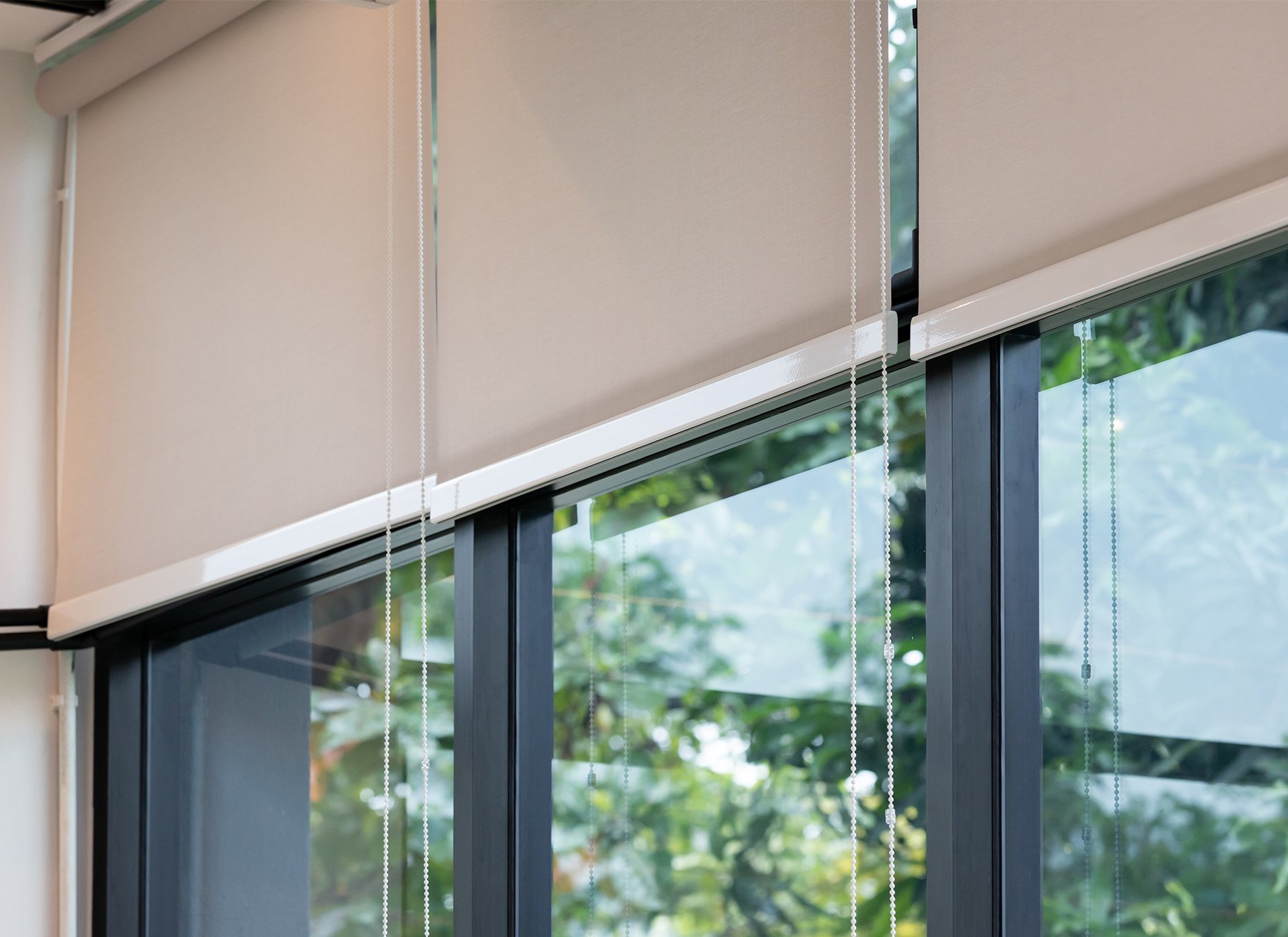
Roller shades and cellular shades are both available with blackout materials. They offer a clean, tailored look while delivering strong light control.
For improved performance, many homeowners pair blackout shades with drapery panels to reduce light gaps and soften the space.
Light-Filtering Shades for a Softer Glow
Not every bedroom needs full darkness during the day. Light-filtering fabrics create a softer, more balanced feel. They allow natural light to enter while diffusing it. The result is a gentle, even glow without harsh brightness.
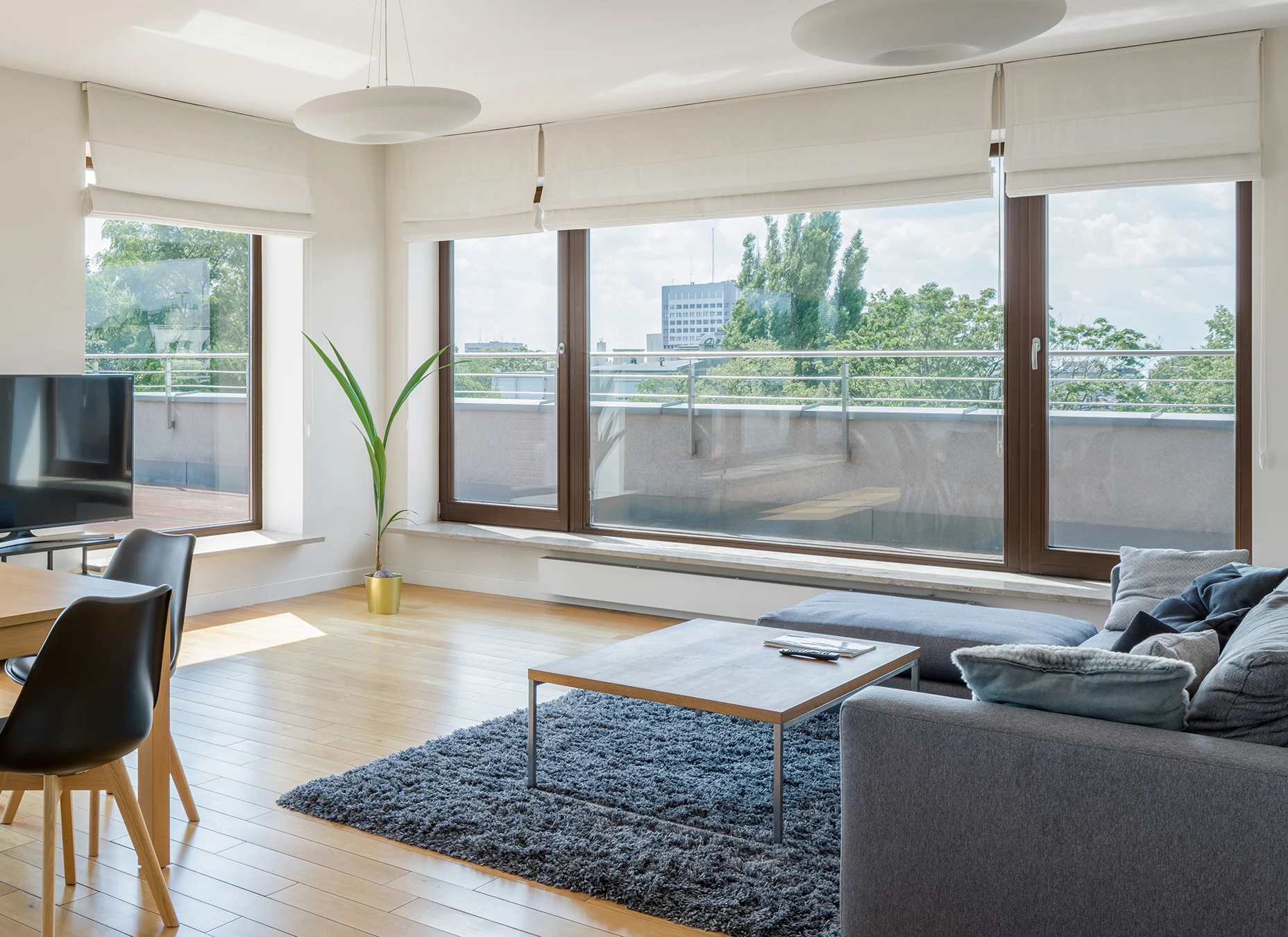
Roman shades and dual shades are popular choices. They provide flexibility, allowing you to adjust between filtered light and privacy depending on the time of day.
Cellular Shades for Energy Efficiency
Cellular shades improve insulation and energy efficiency. Their honeycomb structure traps air, helping regulate indoor temperatures. This can make a noticeable difference in bedrooms, especially in climates with strong seasonal changes.
They are available in both light-filtering and blackout options, making them a versatile choice for both comfort and performance.
Wood Blinds for Structure and Simplicity
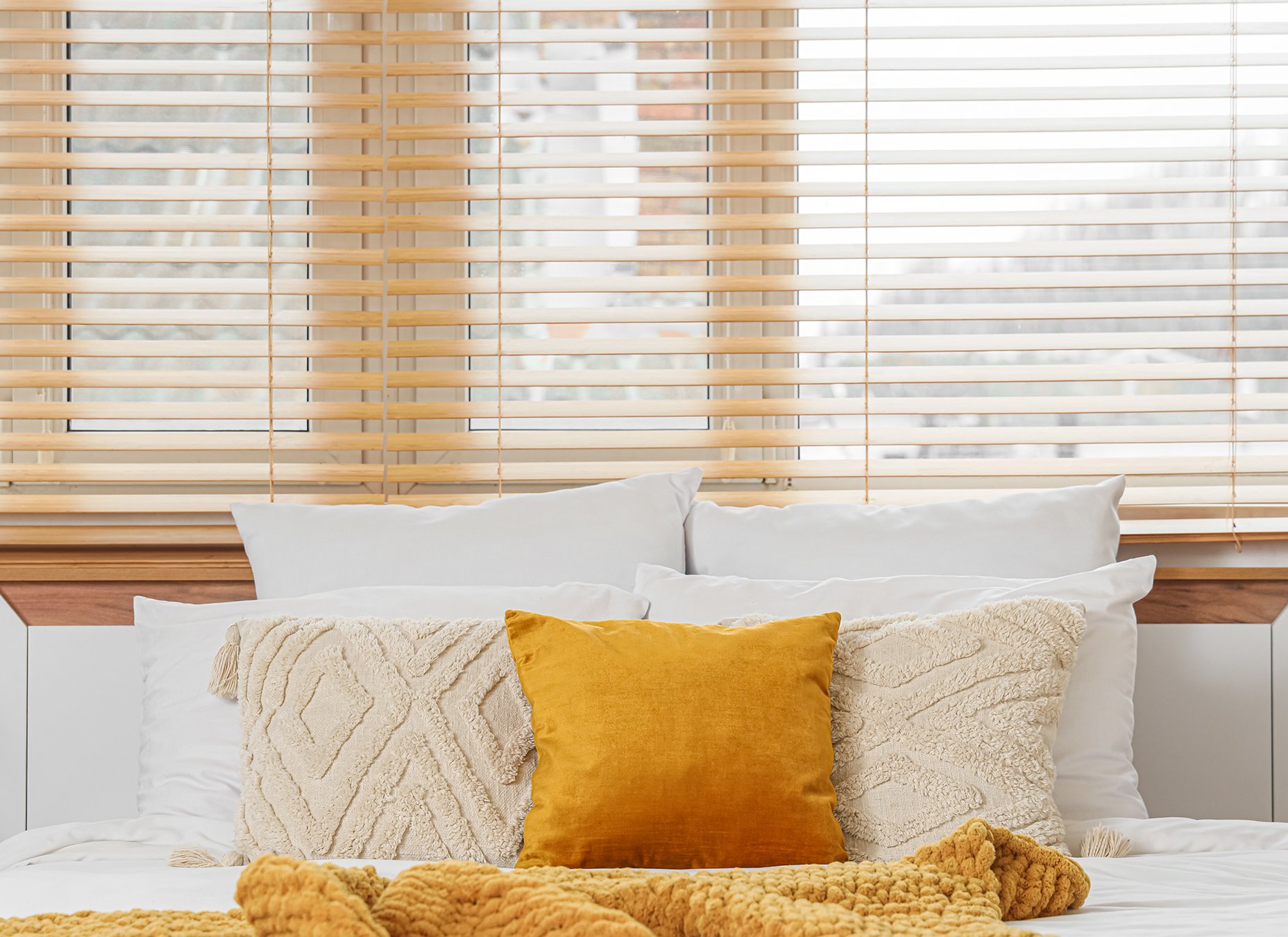
Wood blinds offer a more structured, classic look. They provide adjustable light control through tilting slats and work well across a range of interior design styles.
Because blinds allow some light through, they are often paired with drapery for added privacy and softness.
Layered Drapery for a Finished Look
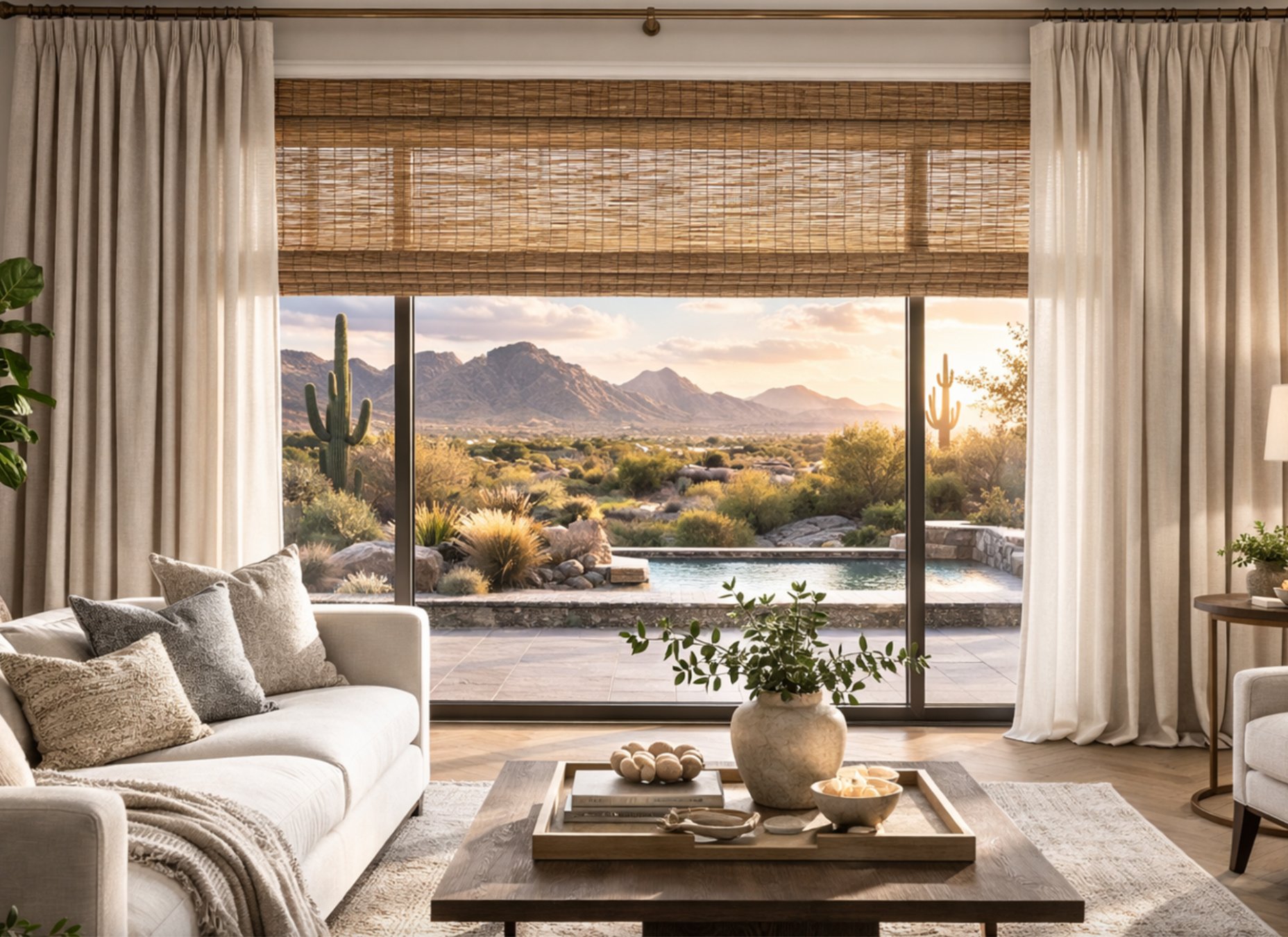
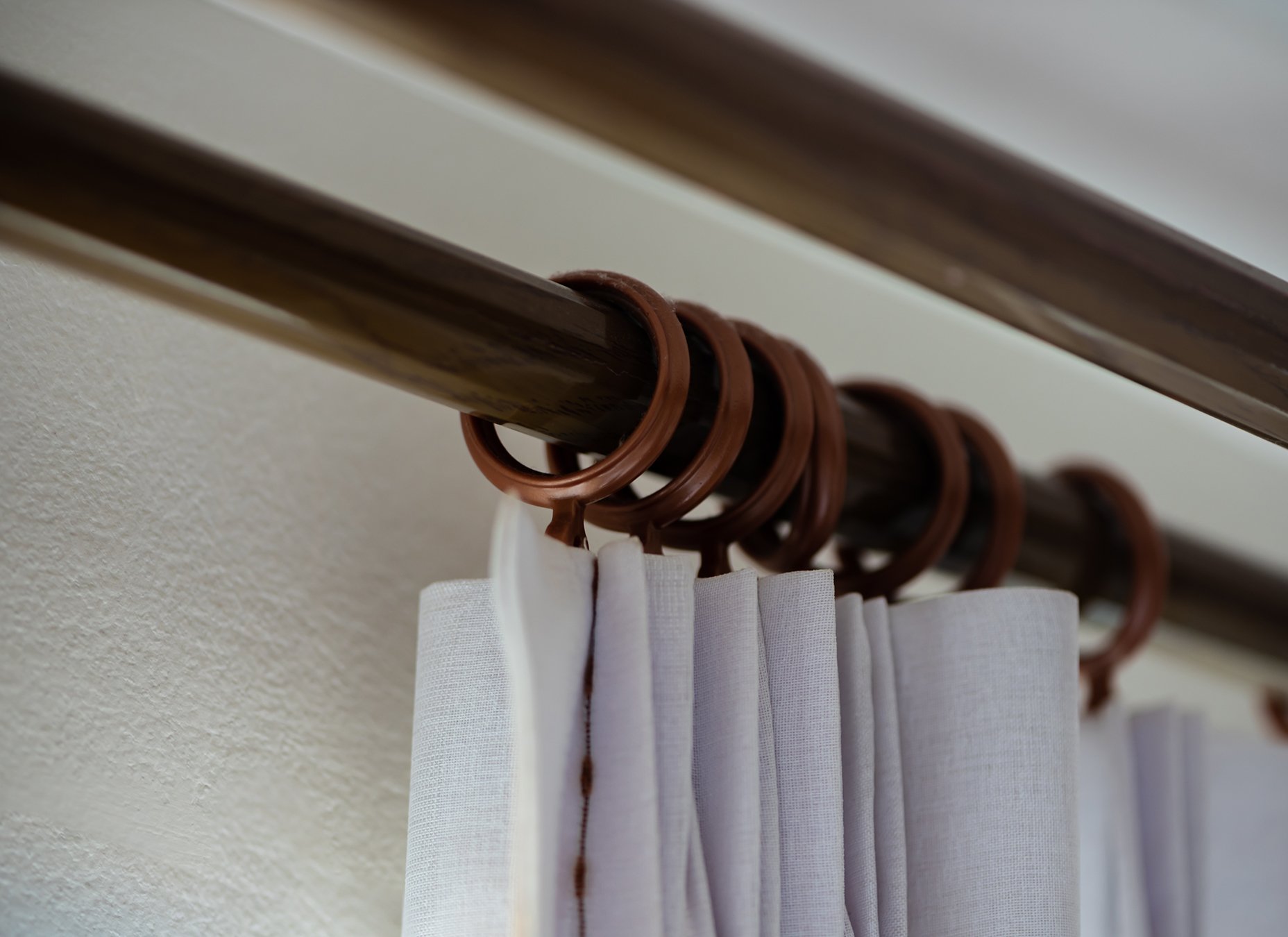
Layering is one of the most effective ways to balance function and design. A common approach is combining shades with drapery panels. For example, blackout shades can handle light control, while fabric panels add softness and depth.
Layered window treatments help:
- Improve light control
- Reduce gaps around the window
- Add dimension to the room
Motorized Shades and Smart Home Integration
Motorized window treatments are becoming more common in primary bedrooms. They allow you to adjust shades with a remote, wall control, or smart home system. This is especially useful for large or hard-to-reach windows.
Motorization also allows you to schedule your shades to open at wake-up and close at bedtime, helping manage natural light and support a consistent sleep routine.
Designed for Comfort, Tailored to Your Space
At House of Shades, we help homeowners select window treatments that are tailored to their space and lifestyle. From material selection to final installation, our team ensures every detail works together.
Book an appointment online or call (480) 336-3427 to get a free quote. We are happy to provide window treatment services to Scottsdale and the surrounding communities.
FAQs
What is the current trend for bedroom window coverings?
Many spaces are shifting toward cleaner lines, lighter fabrics, and more functional designs. Motorized shades and smart home integration are also becoming more common.
What window treatments increase home value?
Custom window treatments can add value, especially when they improve energy efficiency or include features like motorization. High-quality materials and a cohesive design also contribute to a more finished home.
Are blackout shades better than blinds for bedrooms?
Blackout shades provide stronger light control. Blinds allow some light through the slats, while blackout shades are designed to block it more effectively.
Can I combine different window treatments in one bedroom?
Yes, layering different treatments is often the best approach. Combining shades with drapery improves both function and overall design.